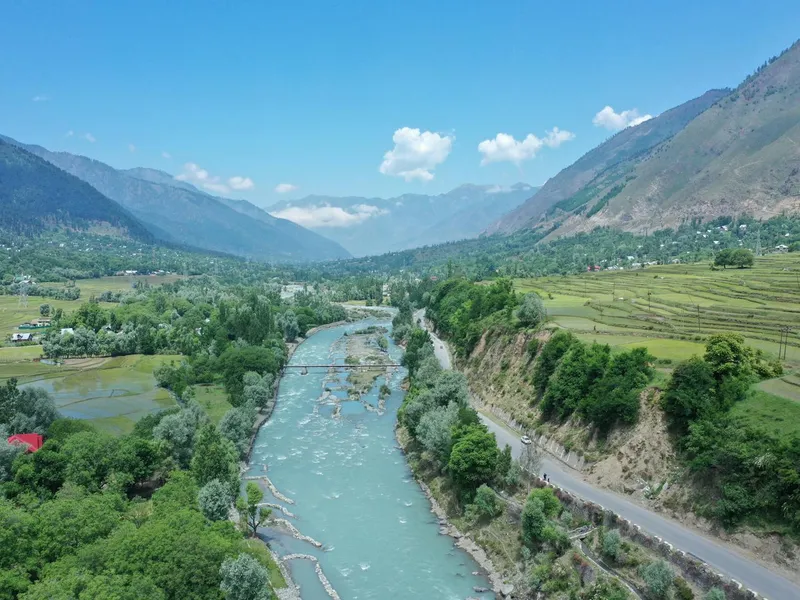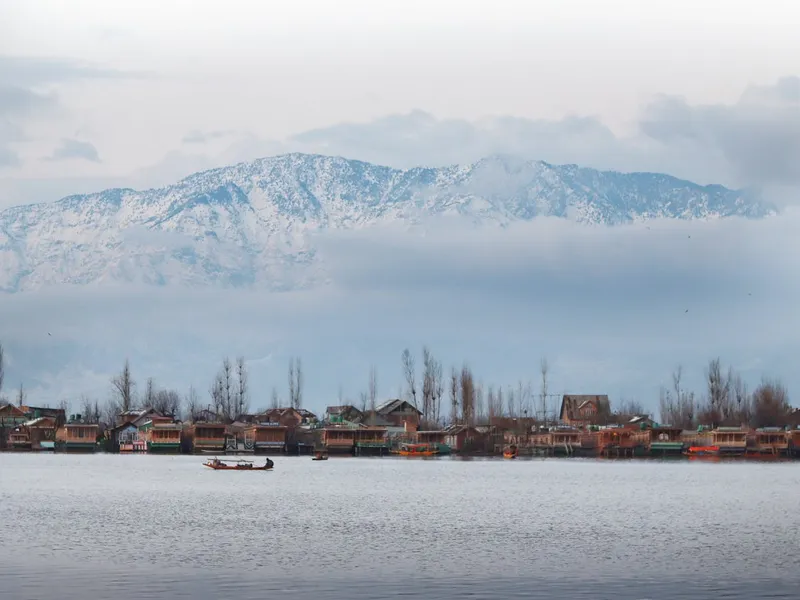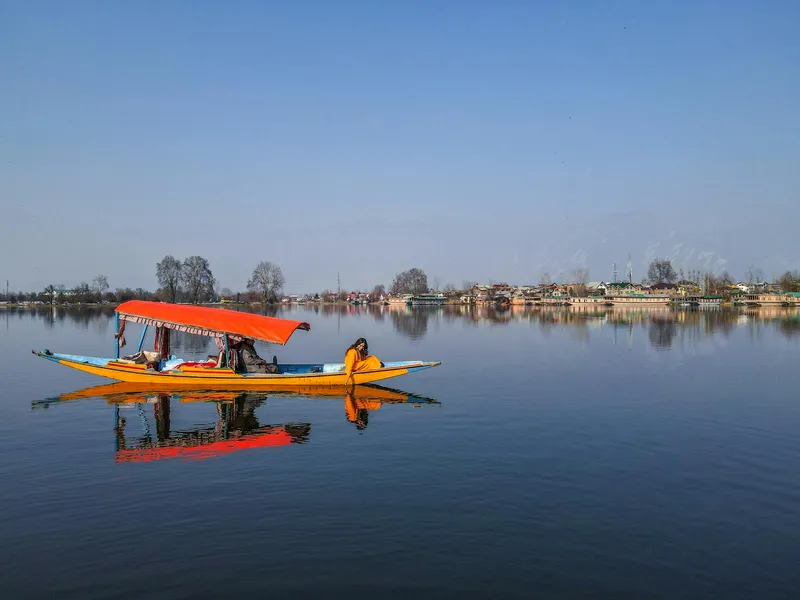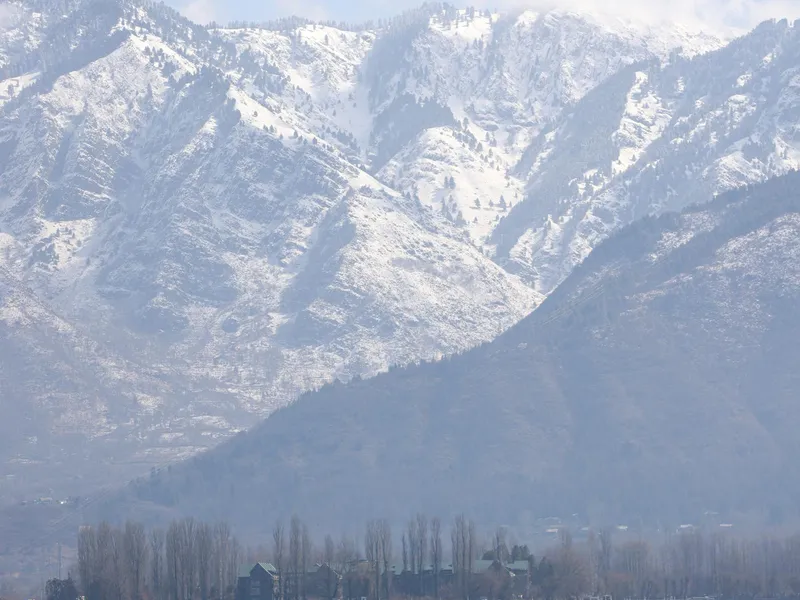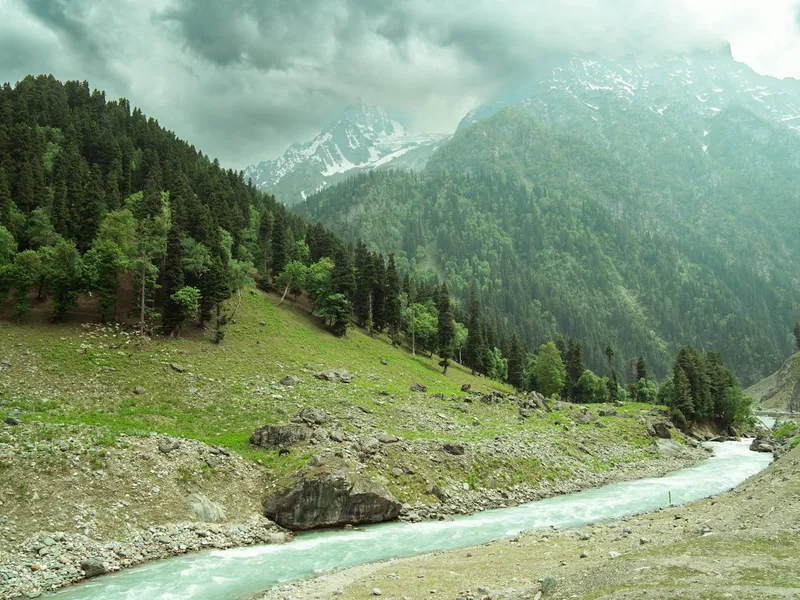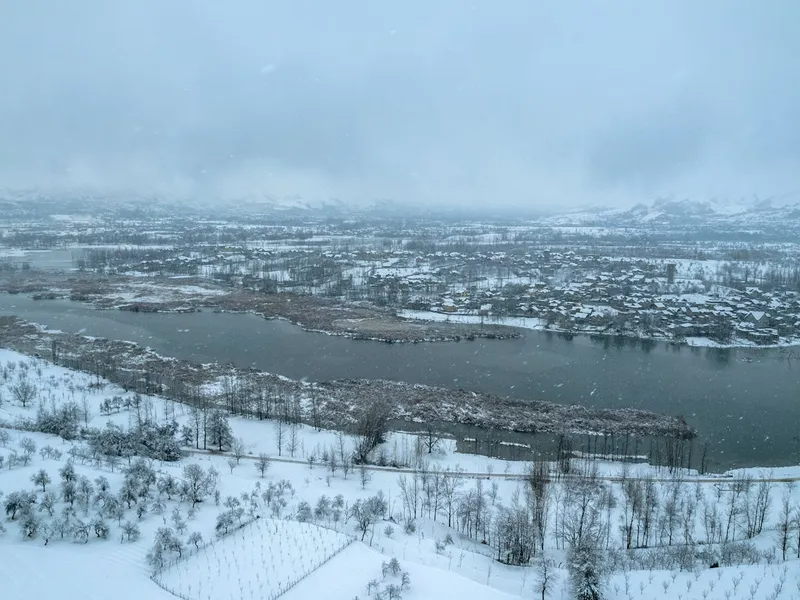


The Himalayas rise majestically, their snow-capped peaks piercing the azure sky. Whispers of ancient cultures mingle with the crisp mountain air. This is Jammu & Kashmir and Ladakh, a region of unparalleled beauty and breathtaking landscapes, where adventure awaits around every bend and serenity settles in the soul. From lush valleys teeming with life to stark, high-altitude deserts, this region offers a diverse tapestry of experiences. Join us as we unveil ten must-visit destinations that will capture your heart and leave you yearning for more.
Quick Answer: Can Jammu, Kashmir and Ladakh be planned in one holiday?
Yes, but it is a multi-region journey rather than a short Kashmir holiday. Plan transfer days carefully and include acclimatisation time in Leh before visiting higher Ladakh routes.
| Coverage | Jammu and Katra, Kashmir Valley and Ladakh |
|---|---|
| Travel style | Long multi-region itinerary with road or flight transfers |
| Kashmir base | Srinagar for Gulmarg, Pahalgam and Sonamarg planning |
| Ladakh caution | Keep a light first day in Leh before high-altitude travel |
Research each part of the combined journey
A combined plan works best when each region is chosen for a clear reason rather than adding every stop to one rushed schedule.
1. Srinagar: The Jewel of the Valley
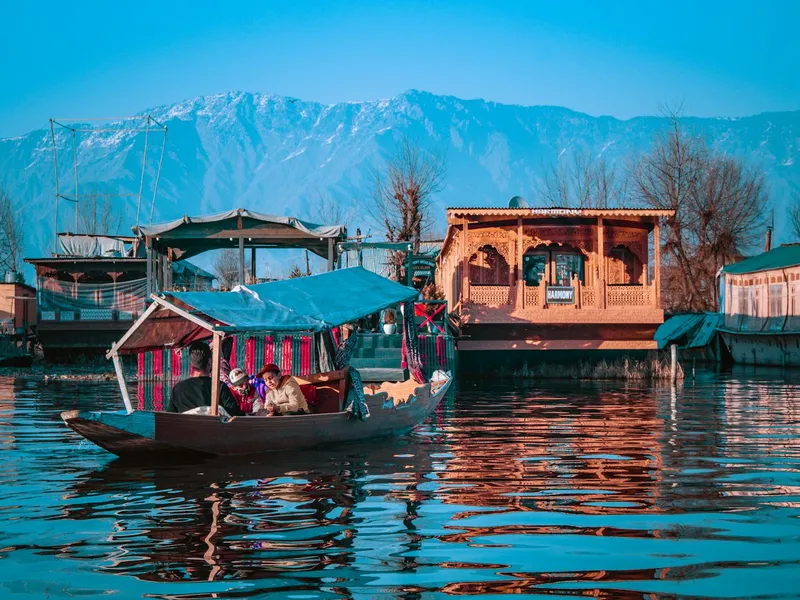
Srinagar, the summer capital of Jammu & Kashmir, is a symphony of colors and sounds. The iconic Dal Lake, a shimmering expanse dotted with houseboats and shikaras, is the heart of the city. Glide through the tranquil waters, explore the floating vegetable market, and lose yourself in the beauty of the Mughal Gardens – Shalimar Bagh, Nishat Bagh, and Chashme Shahi. The vibrant markets, the aroma of Kashmiri cuisine, and the warmth of the locals will leave an indelible mark on your soul.
3. Pahalgam: Valley of Shepherds, Tranquil Retreat
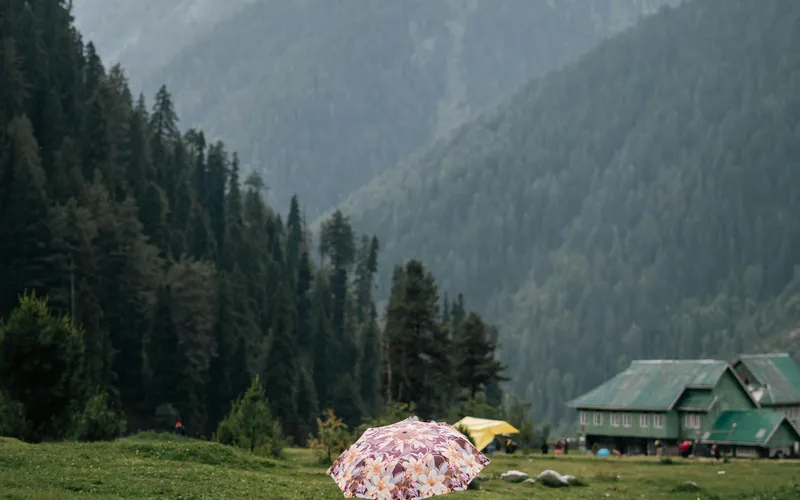
Pahalgam, with its lush green valleys and gushing streams, is a picture-perfect postcard come to life. Trek through the pine forests, explore the pristine Betaab Valley (named after the Bollywood movie "Betaab" which was shot here), and immerse yourself in the tranquility of nature. The Lidder River offers opportunities for trout fishing, while the surrounding mountains provide a stunning backdrop for hiking and camping.
4. Sonamarg: The Gateway to Ladakh
Sonamarg, also known as the "Meadow of Gold," is a gateway to the rugged beauty of Ladakh. The Sindh River meanders through the valley, its crystal-clear waters reflecting the snow-capped peaks. Trek to the Thajiwas Glacier, explore the surrounding meadows, and enjoy the breathtaking views of the Himalayas.
5. Leh: The Land of High Passes
Leh, the capital of Ladakh, is a land of stark beauty and ancient monasteries. Explore the Leh Palace, wander through the bustling markets, and visit the Shanti Stupa for panoramic views of the city. The surrounding mountains offer challenging treks, while the monasteries provide a glimpse into the rich Buddhist culture of the region.
6. Nubra Valley: The Desert in the Sky
Nubra Valley, a high-altitude desert, is a landscape of stark contrasts. Sand dunes meet snow-capped mountains, creating a surreal and unforgettable vista. Ride a double-humped camel through the desert, visit the Diskit Monastery, and explore the charming villages that dot the valley.
7. Pangong Lake: A Symphony of Blue
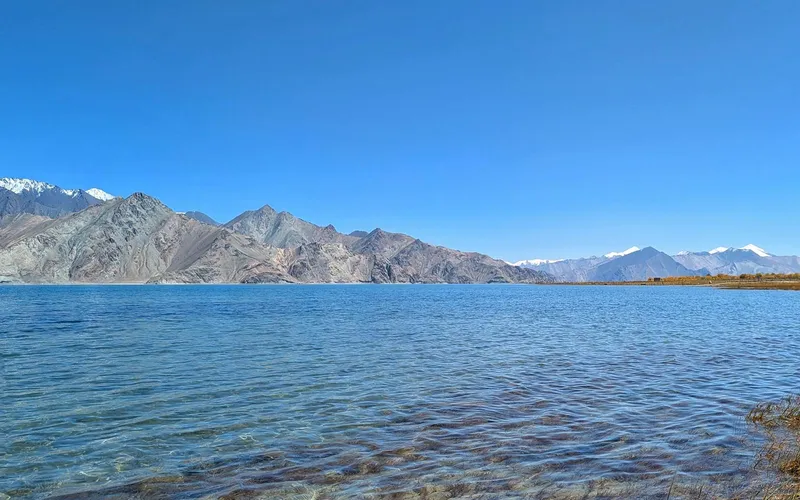
Pangong Lake, a high-altitude lake that stretches across the Indo-Tibetan border, is a sight to behold. Its crystal-clear waters change colors throughout the day, reflecting the changing light and sky. The sheer scale of the lake and the surrounding mountains is truly awe-inspiring.
8. Zanskar Valley: A Trekker's Paradise
Zanskar Valley, a remote and rugged region, is a trekker's paradise. The challenging treks through the Zanskar River gorge offer breathtaking views of the Himalayas and a glimpse into the unique culture of the Zanskar people.
9. Hemis National Park: Home of the Snow Leopard
Hemis National Park, one of the largest national parks in India, is a haven for wildlife. It's home to the elusive snow leopard, as well as other rare and endangered species. Trekking through the park offers a chance to spot these magnificent creatures in their natural habitat.
10. Kargil: A Land of History and Sacrifice
Discover the ancient ruins of Athenia, an archaeological site with remnants of a once-thriving civilization. Guided tours provide fascinating insights into the historical significance of these ruins and the culture that once flourished here.
Continue Reading
Explore our in-depth destination guides:
• Kashmir vs Ladakh: Which Should You Visit?
• Srinagar to Leh Road Trip: Complete Guide
Planning Your Trip:
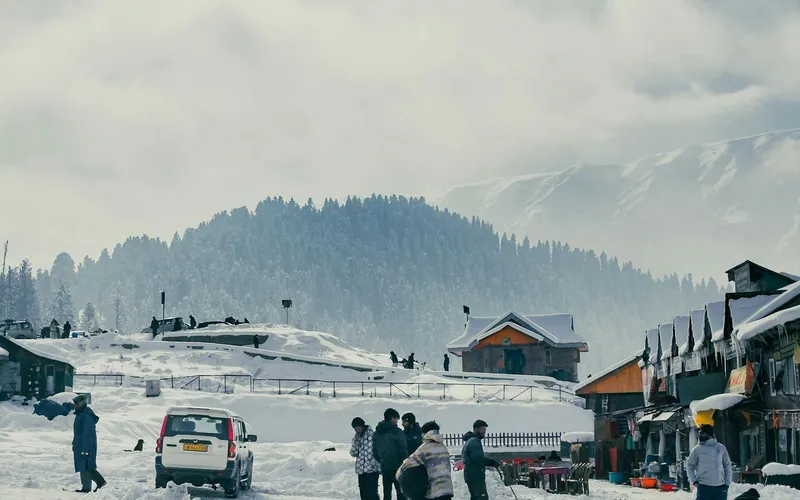
The best time to visit Jammu & Kashmir and Ladakh is during the summer months (June to September). However, if you're interested in skiing or snowboarding, the winter months (December to March) are ideal for Gulmarg. Srinagar and Leh have airports with regular flights from major Indian cities. You can also reach the region by road, although the mountain passes can be challenging.
A Journey of a Lifetime:
Jammu & Kashmir and Ladakh is more than just a destination; it's an experience. It's a journey that will touch your soul and leave you with memories that will last a lifetime. So, pack your bags, embrace the adventure, and discover the magic of this incredible region.