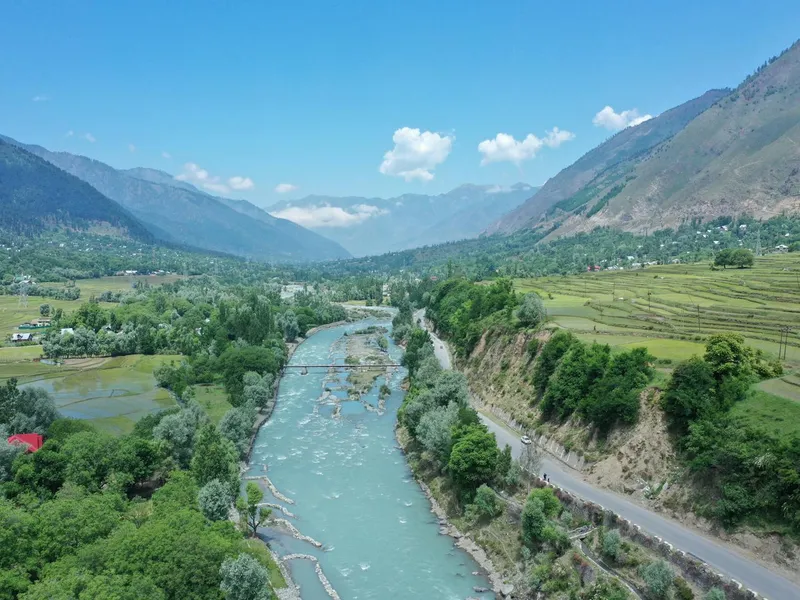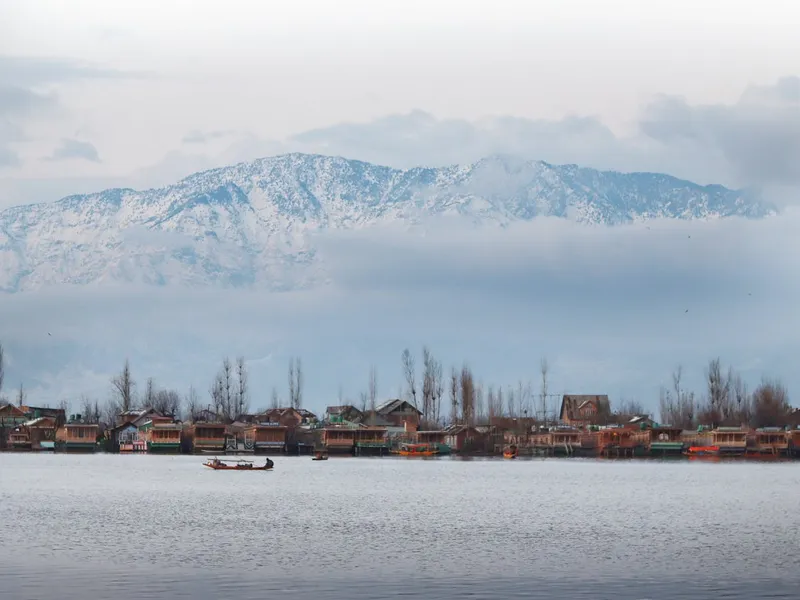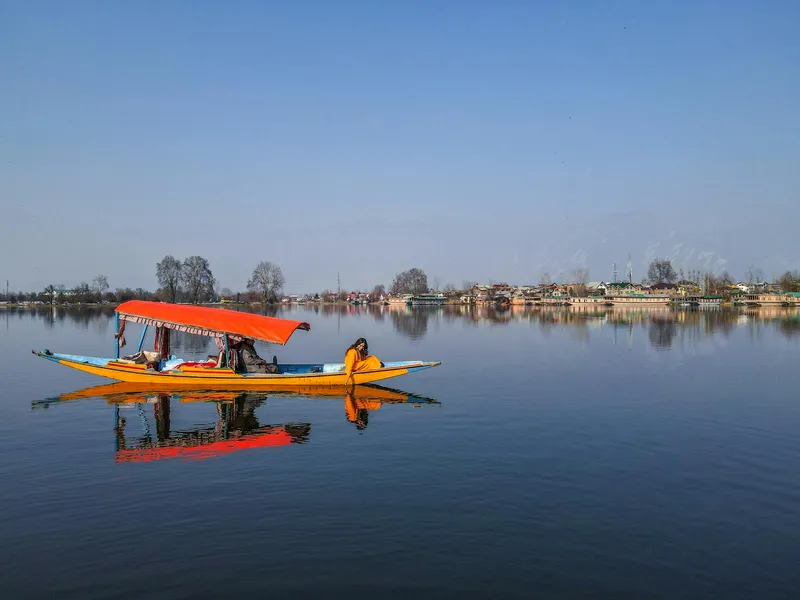
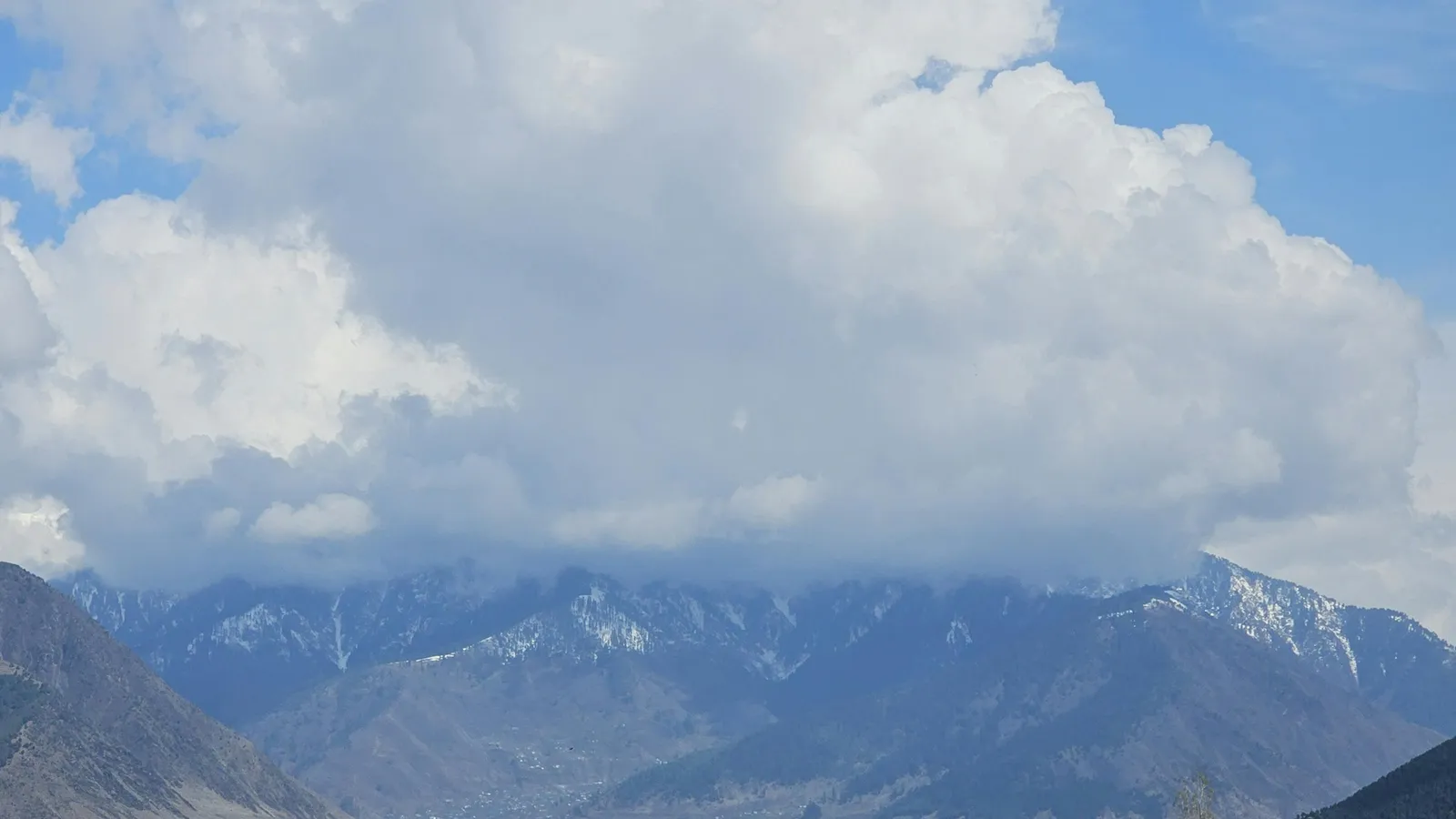

Kashmir transforms dramatically across seasons — from snow-white winters to flower-filled springs, lush green summers, and golden autumn foliage. Each season offers a completely different experience. This month-by-month guide will help you decide exactly when to visit based on your interests, budget, and the kind of trip you want.
Quick Summary: Best Time by Trip Type
| Trip Type | Best Months | Why |
|---|---|---|
| General sightseeing | April–June, Sep–Oct | Pleasant weather, all roads open |
| Honeymoon | April–May, Sep–Oct | Romantic weather, tulips in April |
| Snow & skiing | December–February | Heavy snowfall, Gulmarg skiing |
| Tulip Festival | Late March–mid April | Asia's largest tulip garden |
| Trekking | June–September | Snow-free trails, alpine meadows |
| Photography | September–November | Autumn chinar foliage, golden light |
| Budget travel | November, February | Lowest prices, fewer tourists |
2026 Seasonal Planning Links
For most first-time tourists, April-June and September-October are the easiest Kashmir travel windows. For upcoming summer demand, use the month-specific guides for Kashmir in June 2026, Kashmir in July 2026, and Kashmir in August 2026.
If budget matters more than perfect weather, compare seasonal hotel and cab ranges in the Kashmir trip cost guide, then choose a realistic route from Kashmir itineraries by duration.
January: Winter Wonderland
Temperature: -2°C to 4°C (Srinagar), -8°C to -2°C (Gulmarg)
Crowd level: Low (except New Year week)
Cost level: Medium-High (New Year premium), Low (rest of month)
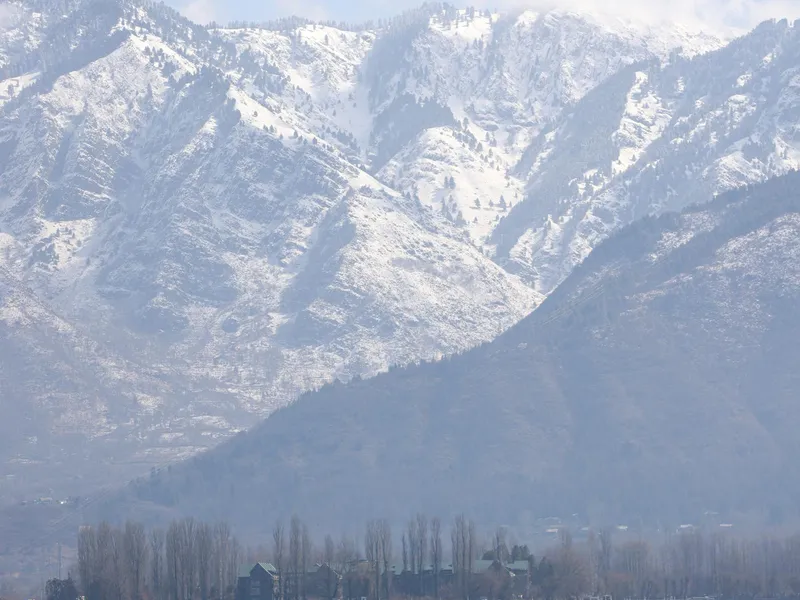
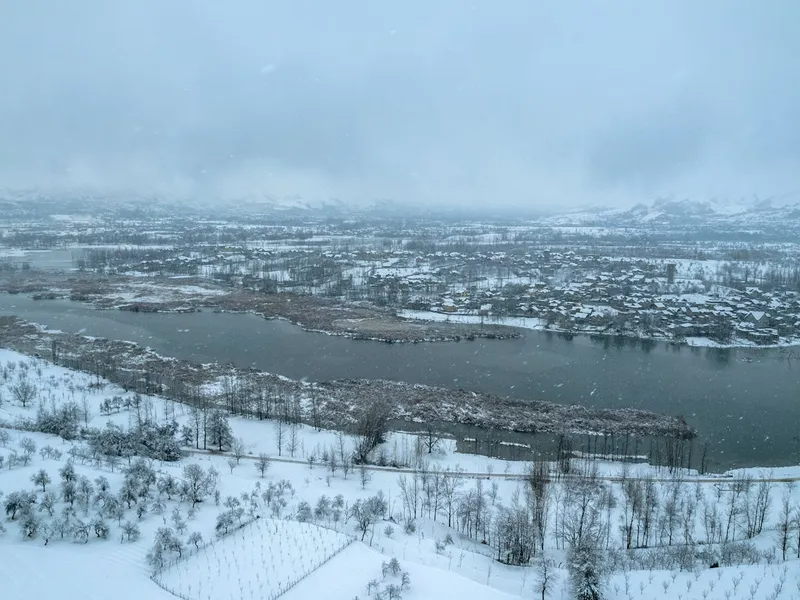
January is the coldest month in Kashmir. Fresh snowfall covers the valley, and Gulmarg is at its best for skiing. Dal Lake may partially freeze near the edges — a rare and beautiful sight. The famous "Chillai Kalan" (40 days of intense cold) runs from December 21 to January 31.
Best for: Snow lovers, skiing enthusiasts, photographers.
What to do: Skiing and snowboarding in Gulmarg, snow treks, frozen lake views, hot Kahwa by the bukhari (fireplace).
Avoid if: You dislike extreme cold or have difficulty with icy roads. Sonamarg road closes in winter.
February: Snow Peaks, Quiet Valley
Temperature: -1°C to 7°C (Srinagar), -6°C to 0°C (Gulmarg)
Crowd level: Very low
Cost level: Lowest of the year
February is the cheapest time to visit Kashmir. The valley is still blanketed in snow, but tourist numbers are at their lowest. Hotels drop prices by 30–50%. It is still very cold, but the snow-covered landscape is stunning. Almond blossoms start appearing in late February in Srinagar — a preview of spring.
Best for: Budget travelers, couples seeking solitude, skiers.
What to do: Gulmarg skiing (season continues), almond blossom sighting (late Feb), houseboat stays at lowest prices.
March: Spring Awakening
Temperature: 4°C to 15°C (Srinagar)
Crowd level: Low to moderate
Cost level: Low-Medium
Spring arrives in Kashmir. The snow starts melting, almond and cherry blossoms cover Srinagar, and the famous Tulip Garden preparations begin. Late March sees the garden opening (dates vary annually). The valley transitions from white to green — a beautiful period.
Best for: Flower lovers, photographers, budget-conscious spring travelers.
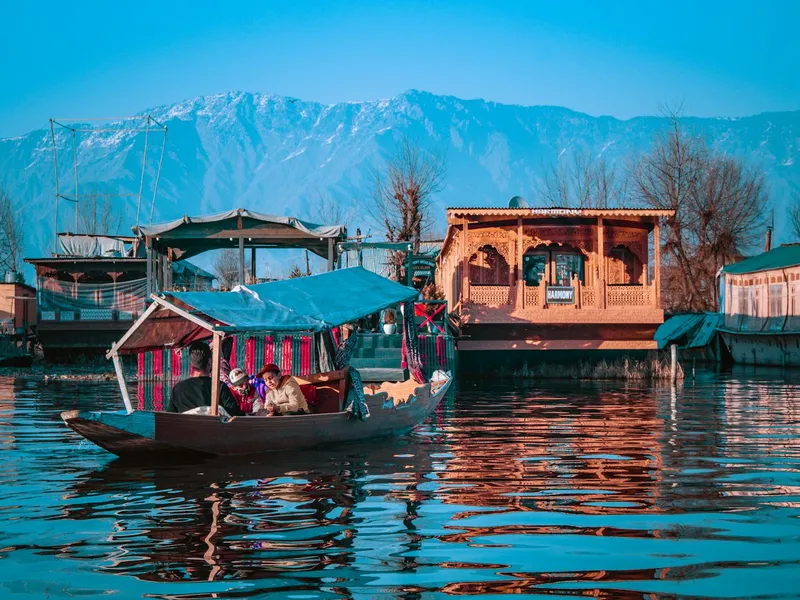
What to do: Badamwari (Almond) Garden, early Tulip Garden visit, Mughal Gardens, Dal Lake shikara rides.
Note: Gulmarg and Sonamarg may still have heavy snow. Roads to Sonamarg typically open in April.
April: Tulip Season — Kashmir's Most Beautiful Month
Temperature: 8°C to 20°C (Srinagar)
Crowd level: High (especially first two weeks)
Cost level: Medium-High
April is arguably the most beautiful time to visit Kashmir. The Indira Gandhi Memorial Tulip Garden (Asia's largest) is in full bloom with over 1.5 million tulips in 60+ varieties. The entire valley is green, flowers are everywhere, and the weather is perfect — warm days and cool nights.
Best for: Families, honeymooners, first-time visitors, photography enthusiasts.
What to do: Tulip Garden, Mughal Gardens, Gulmarg (still has snow at the top), Pahalgam (rivers swelling with snowmelt), shikara rides.
Tip: Book hotels 30–45 days in advance — April fills up quickly due to Tulip Festival tourism.
May: Peak Season Begins
Temperature: 12°C to 25°C (Srinagar)
Crowd level: High
Cost level: High
May marks the start of peak tourist season. All roads are open — Sonamarg, Gulmarg, Pahalgam are all accessible. The weather is warm and ideal for every kind of activity. School holidays begin, bringing family travelers in large numbers.
Best for: Most travellers — this is the most reliable bet for a Kashmir trip.
What to do: Full 5-day Kashmir itinerary, Sonamarg Thajiwas Glacier, Gulmarg Gondola (green meadows), Betaab Valley, rafting in Pahalgam.
June: Summer Paradise
Temperature: 15°C to 30°C (Srinagar)
Crowd level: Very high
Cost level: Highest of the year
June is the hottest month but still pleasant compared to the rest of India (30°C in Srinagar vs 45°C+ in Delhi). Tourists flock to Kashmir to escape the heat, making it the most crowded month. All high-altitude destinations are accessible, and the Srinagar-Leh highway is typically open.
Best for: Summer holidaymakers, adventure seekers, those heading to Ladakh.
What to do: All sightseeing, Kashmir Great Lakes trek starts, white water rafting, Sonamarg exploration, and the Srinagar-to-Leh road trip.
Tip: Book everything 45–60 days ahead. Flights can cost 2–3x more if booked last minute.
July–August: Monsoon & Green Kashmir
Temperature: 18°C to 31°C (Srinagar)
Crowd level: Low to moderate
Cost level: Medium
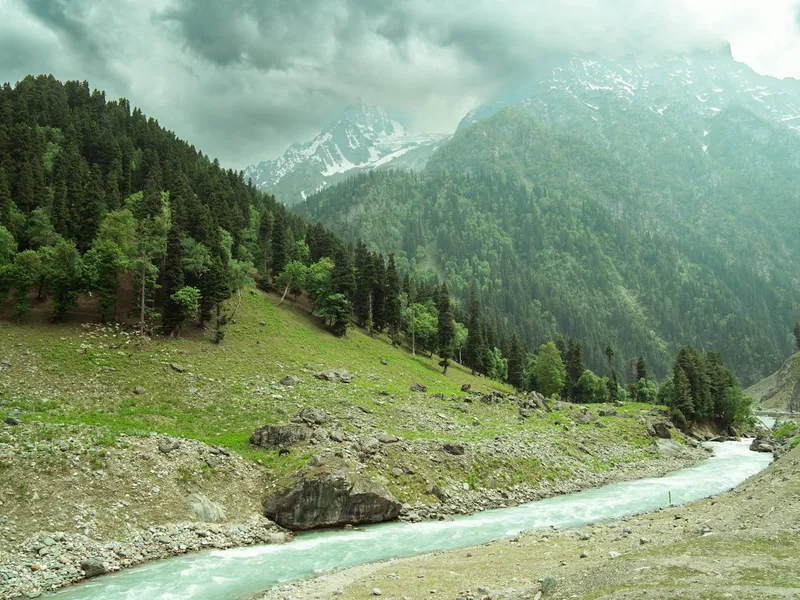
Kashmir receives moderate rainfall during monsoon — not as heavy as the rest of India, but enough to make the valley incredibly lush. Occasional heavy rain can cause landslides on highways. The Amarnath Yatra pilgrimage takes place during this period (July–August), bringing religious tourists.
Best for: Budget travelers willing to deal with occasional rain, trekkers (July is peak trekking season), Amarnath pilgrims.
What to do: Great Lakes trek, Tarsar-Marsar trek, Amarnath Yatra, green valley photography. Avoid Leh-Manali highway during heavy rain.
Caution: Check road conditions before traveling. The Srinagar-Jammu highway is most prone to landslides in August.
September: The Perfect Month
Temperature: 12°C to 27°C (Srinagar)
Crowd level: Moderate
Cost level: Medium
September is often called the "secret best month" for Kashmir. Monsoon recedes, the air is crystal clear, the valley is green, and tourist crowds thin out significantly. It is arguably the best weather — warm days and cool evenings without the peak-season prices and crowds.
Best for: Photographers, couples, anyone wanting great weather without crowds.
What to do: Everything on the standard 5-day itinerary, trekking (season continues), and the chinar trees start showing early autumn colours by late September.
October: Golden Autumn
Temperature: 7°C to 22°C (Srinagar)
Crowd level: Moderate
Cost level: Medium
Kashmir's autumn is legendary. The iconic chinar trees turn red, orange, and gold — entire hillsides blaze with colour. The saffron harvest happens in Pampore (late October–November). The weather is crisp and clear, perfect for photography and sightseeing.
Best for: Photographers, couples, autumn enthusiasts, saffron harvest experience.
What to do: Chinar tree photography at Naseem Bagh and Nishat Bagh, saffron field visits in Pampore, Mughal Gardens, Dal Lake in autumn colours.
November: Early Winter & Best Deals
Temperature: 1°C to 13°C (Srinagar)
Crowd level: Very low
Cost level: Lowest
November is when Kashmir transitions to winter. The last of the autumn foliage remains in early November, and the first snowfall may dust the mountaintops. Tourist numbers drop sharply, and hotels offer deep discounts. This is the best time for budget travel if you do not mind cold weather.
Best for: Budget travelers, solitude seekers, early snow chasers.
What to do: Srinagar sightseeing, houseboat stays at lowest prices, first snowfall sightings in Gulmarg.
Note: Sonamarg road typically closes in November. Pahalgam remains accessible but cold.
December: Snowfall & Christmas Magic
Temperature: -2°C to 7°C (Srinagar), -8°C to -1°C (Gulmarg)
Crowd level: High (Christmas/New Year), Low (rest)
Cost level: Medium (early Dec), Very High (Christmas/New Year week)
December brings the first heavy snowfall to Kashmir. Gulmarg ski season opens (usually mid-December). Christmas and New Year week sees a surge of tourists wanting a "White Christmas" experience. Early December offers the same snow at much lower prices.
Best for: Snow lovers, skiers, romantic winter getaways, New Year celebrations.
What to do: Gulmarg skiing, snowman building, frozen waterfall treks, warm Wazwan feasts, New Year celebrations.
Tip: Visit in the first two weeks of December for snow at non-inflated prices. Christmas week hotels can cost 3–4x normal rates.
Kashmir Weather at a Glance (Annual)
| Month | Min°C | Max°C | Rainfall | Snow | Rating |
|---|---|---|---|---|---|
| January | -4 | 4 | Low | Heavy | ⭐⭐⭐ |
| February | -2 | 7 | Low | Heavy | ⭐⭐⭐ |
| March | 2 | 14 | Moderate | Light | ⭐⭐⭐⭐ |
| April | 6 | 20 | Moderate | None | ⭐⭐⭐⭐⭐ |
| May | 10 | 25 | Low | None | ⭐⭐⭐⭐⭐ |
| June | 14 | 30 | Low | None | ⭐⭐⭐⭐ |
| July | 18 | 31 | High | None | ⭐⭐⭐ |
| August | 17 | 30 | High | None | ⭐⭐⭐ |
| September | 12 | 27 | Low | None | ⭐⭐⭐⭐⭐ |
| October | 5 | 22 | Low | None | ⭐⭐⭐⭐ |
| November | 0 | 13 | Low | Light | ⭐⭐⭐ |
| December | -3 | 6 | Low | Heavy | ⭐⭐⭐⭐ |
What to Pack by Season
| Season | Essential Packing |
|---|---|
| Spring (Mar–May) | Light layers, jacket, umbrella, sunscreen, comfortable shoes |
| Summer (Jun–Aug) | Cotton clothes, light jacket for evenings, rain gear, sunglasses |
| Autumn (Sep–Nov) | Warm layers, jacket, thermals (Nov), camera for foliage |
| Winter (Dec–Feb) | Heavy woolens, thermals, waterproof boots, gloves, muffler, hand warmers |
For a complete checklist, see our Kashmir packing list guide.
Budget by Season
Your Kashmir trip cost varies significantly by season:
| Season | Hotel (per night) | Flight (Delhi return) | Overall Cost |
|---|---|---|---|
| Off-season (Nov, Feb) | ₹800–₹2,500 | ₹4,000–₹6,000 | Cheapest |
| Shoulder (Mar, Sep–Oct) | ₹1,200–₹4,000 | ₹5,000–₹8,000 | Good value |
| Peak (Apr–Jun) | ₹2,000–₹8,000 | ₹8,000–₹18,000 | Most expensive |
| Winter peak (Dec–Jan) | ₹1,500–₹6,000 | ₹6,000–₹15,000 | High (holidays) |
Our Recommendation
If this is your first Kashmir trip, visit in April or September. April gives you tulips, spring flowers, and snow on the mountaintops. September gives you clear skies, moderate prices, and the beginning of autumn colours. Both months have pleasant weather for all activities.
For a snow experience, the first two weeks of December offer the best combination of fresh snowfall and reasonable prices (before the Christmas/New Year surge).
Ready to plan your trip? Explore our Kashmir tour packages or contact us for a free custom itinerary based on your preferred travel dates.
Frequently Asked Questions
Which is the best month to visit Kashmir?
April and May are the best months to visit Kashmir for most travelers. The weather is pleasant (15–25°C), all roads are open, tulip gardens are in bloom, and Gulmarg and Pahalgam are at their scenic best. September–October is equally good with autumn colours and fewer crowds.
Is Kashmir worth visiting in winter?
Absolutely. Kashmir in winter (December–February) is magical — fresh snowfall blankets the valley, Gulmarg becomes a world-class skiing destination, and frozen Dal Lake is stunning. Hotel prices are lower except during Christmas and New Year. Just pack very warm clothing.
Does it snow in Kashmir in March?
Light snowfall is possible in Gulmarg and higher altitudes in early March. By mid-to-late March, snow starts melting in the valley and spring begins. Srinagar rarely sees snow in March, but Gulmarg and Sonamarg may still have snow cover.
Can I visit Kashmir during monsoon (July–August)?
Yes, but with caution. Kashmir receives moderate rainfall in July–August. The valleys are lush green and crowds are minimal. However, landslides can occasionally block roads, especially the Srinagar-Jammu highway. Avoid Ladakh during this period.
When do tulips bloom in Kashmir?
The Tulip Garden in Srinagar (Asia's largest) typically blooms from late March to mid-April. The exact dates vary each year depending on weather. The garden usually opens in the last week of March and flowers peak in the first two weeks of April.